

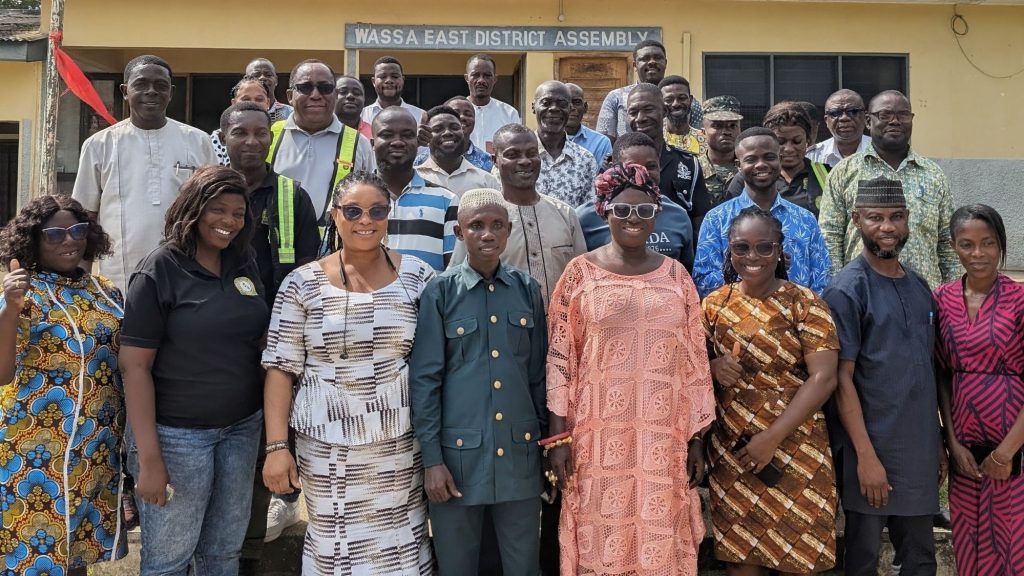
Addressing participants on the purpose of the gathering, the District Coordinating Director, Rubby Sitsope Besagah, emphasized that the meeting was designed to establish the best possible ways for stakeholders to work together to achieve optimal results.
She noted that institutional collaboration is critical for operational efficiency, as it significantly cuts waste within the system by avoiding the duplication of efforts when addressing the same issues with fragmented resources. Mrs. Besagah urged the institutional representatives to take full advantage of the collaborative platform to save resources and channel them into other equally important developmental areas.
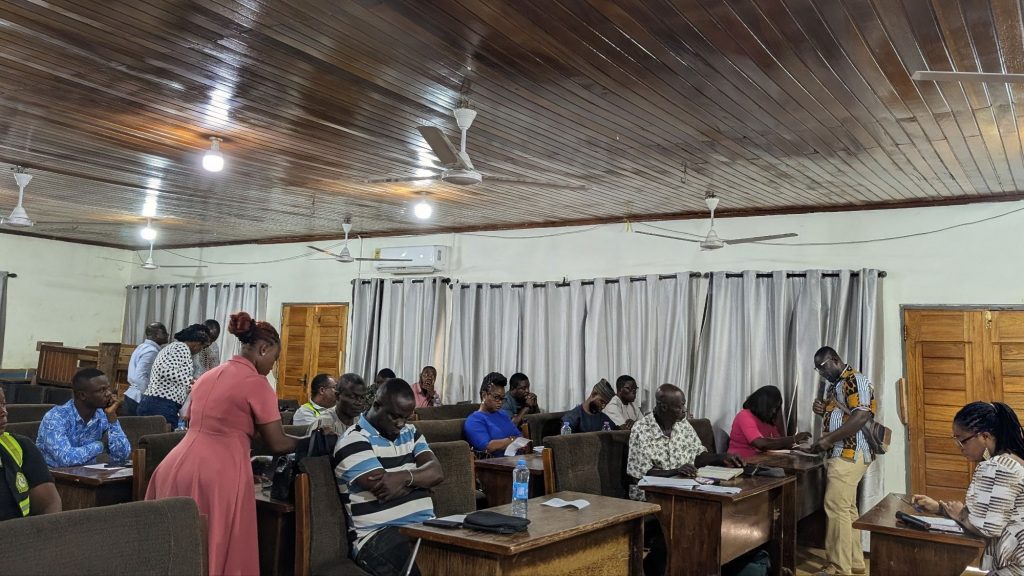
In his welcome address, the District Chief Executive (DCE), Hon. Alhaji Alhassan Ibrahim, underscored the importance of such engagements, describing them as a vital means of closing the gap in information sharing. He expressed concern that many Assemblies in Ghana have lost crucial funding opportunities that could have addressed pressing citizen needs due to poor collaboration.
Hon. Alhaji Ibrahim revealed that institutional collaboration and information sharing are key performance indicators that many Assemblies fail to comply with, leading to their inability to access funds from development partners. He assured that going forward, the Assembly will frequently engage all institutions operating within the district to ensure it succeeds in accessing these funds and to permanently bridge the information gap.
The meeting also provided a platform to address the district’s “Prioritized Development Issues.” Presentations highlighted critical challenges requiring urgent attention, including inadequate personnel and logistics for security services, inadequate market infrastructure, and inadequate agro-processing facilities. Other identified issues included low coverage of electricity and telecommunication, poor sanitary conditions, high incidence of post-harvest losses, non-functional sub-structures, and a limited number of Persons with Disabilities (PWDs) under NHIS registration.
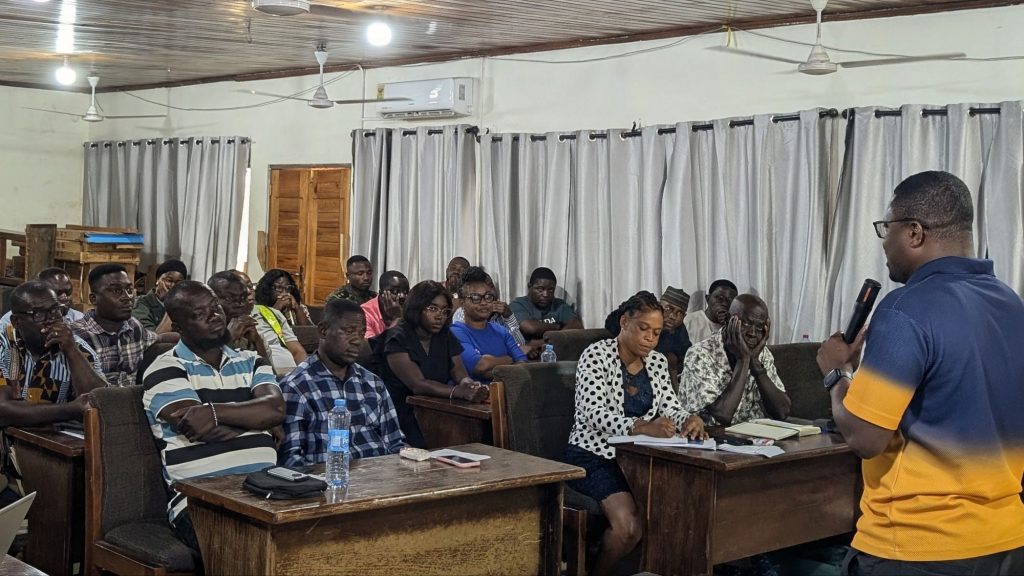
The engagement was interlaced with presentations from various stakeholders outlining their 2027 action plans. Speaker after speaker highlighted their operational challenges and shared their success stories.
Participants included representatives from the Electricity Company of Ghana (ECG), Ghana Water Company, Plantations Socfinaf Ghana (PSG), financial institutions, security services, the Forestry Commission, and KEDA. Others were Civil Society Organizations such as SCMPP and Friends of the Nation (FoN), alongside Assembly Members, traditional leaders (Nananom), and heads of decentralized departments.
The meeting concluded with a consensus on the need for continuous dialogue and coordinated action to drive sustainable development.
Credit: Frank Kwabena Danso(DIO)
